
How to make essential oils at home is possible with simple tools, though true steam distillation gives the purest result. This guide explains how to make rose, lemongrass, rosemary, and vanilla oils, plus how to get a strong scent. In 2026, making your own infused and distilled oils is a rewarding way to enjoy natural fragrance.
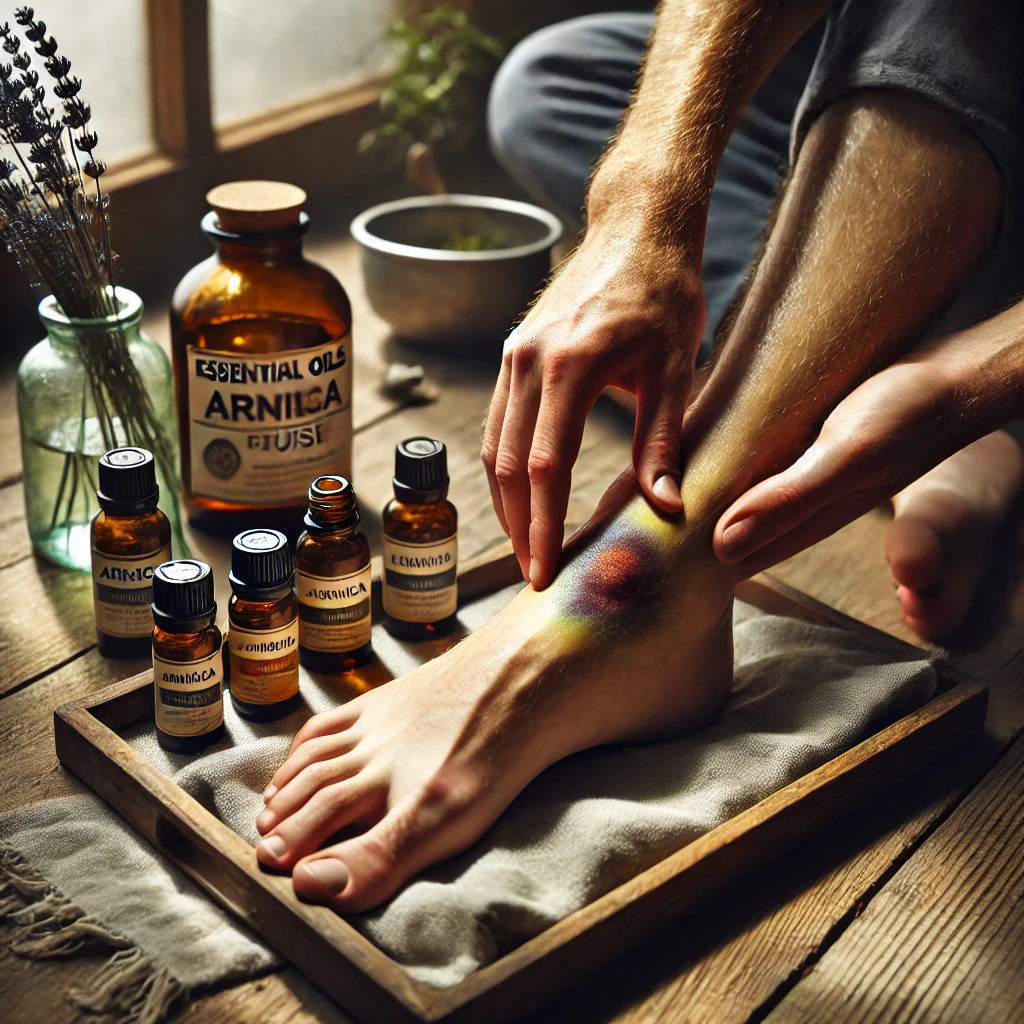
How to Make Essential Oils at Home
There are two main approaches. Steam distillation produces a true essential oil by passing steam through plant material and collecting the oil from the condensed vapor. Oil infusion is simpler: you steep plant material in a carrier oil to capture the scent, creating an infused oil rather than a pure essential oil. For home use, infusion is the realistic choice unless you own a small still.
| Method | Result | Difficulty |
|---|---|---|
| Steam distillation | Pure essential oil | Hard, needs a still |
| Oil infusion | Scented carrier oil | Easy, kitchen tools |
| Cold pressing | Citrus peel oil | Medium, low yield |
Whichever method you choose, fresh, clean plant material gives the best scent. Pick herbs and flowers in the morning after the dew dries, and remove any bruised or wilted parts. Quality in equals quality out, so starting with vibrant plants is the most important step of all.
What You Need to Get Started
Home infusion needs very little equipment, and most of it is already in your kitchen. A clean glass jar, a fine strainer or cheesecloth, a light carrier oil, and a dark storage bottle cover the basics. A slow cooker or a pot of warm water helps with the heated method, while a sunny shelf is all the cold method requires.
- Glass jar: sterilized to prevent spoilage.
- Carrier oil: jojoba, sweet almond, or fractionated coconut oil.
- Strainer: cheesecloth or a fine mesh sieve.
- Amber bottle: dark glass to protect the finished oil.
How to Make Rose Essential Oil
To make a rose infused oil, gently dry fresh rose petals to remove surface moisture, then place them in a clean jar and cover with a light carrier oil such as jojoba or sweet almond. Seal the jar and let it sit in a warm spot for two to four weeks, shaking it every day. Strain out the petals and you have a soft, floral rose oil.
For a stronger scent, repeat the process with fresh petals in the same oil, a method called layering. Each new batch deepens the fragrance. Rose is one of the most expensive true essential oils to buy, which makes a homemade infusion a budget friendly way to enjoy the scent.
How to Make Lemongrass and Rosemary Oil
Lemongrass and rosemary infuse well because their oils sit close to the surface of the leaves. Chop the plant material to release more aroma, warm it gently in carrier oil over very low heat for two to three hours, then strain. Low heat is key, since boiling destroys the delicate scent compounds.
| Plant | Best Part | Infusion Time |
|---|---|---|
| Lemongrass | Chopped stalks | 2 to 3 hours warm |
| Rosemary | Fresh sprigs | 2 to 4 weeks cold |
| Lavender | Dried buds | 2 to 3 weeks cold |
| Mint | Crushed leaves | 1 to 2 weeks cold |
The warm method is faster but needs attention so the oil never simmers. The cold method takes longer yet is almost foolproof. Many people keep a cold infusion going on a sunny windowsill while using the warm method when they want results the same day.
How to Make Vanilla and Floral Scents
Vanilla is made by splitting vanilla beans and steeping them in carrier oil for several weeks. Floral scents such as jasmine and lavender follow the same infusion steps as rose. These rich scents work beautifully in homemade body oils and candles, and they pair well with citrus or woody oils.
Once you have a few finished oils, blending them opens up far more options. Our blending and pairing guide shows which scents work together so your homemade oils smell balanced rather than muddled.
Tips for a Stronger Scent
A weak homemade oil usually means too little plant material or too little time. Use a generous amount of fresh plant matter, layer fresh batches into the same oil, and give cold infusions the full two to four weeks. Storing the finished oil in a dark glass bottle keeps the scent from fading.
- Use more plant material: pack the jar rather than scattering a few petals.
- Layer batches: strain and add fresh material to deepen the aroma.
- Give it time: patience produces a far stronger scent than rushing.
- Store it dark: amber glass and a cool shelf protect the fragrance.
Remember that an infused oil is gentler than a store bought essential oil, so it is well suited to skin and massage. To learn how to use your finished oils safely and effectively, see our guide on how to use essential oils.
Frequently Asked Questions
Can you make real essential oil without a still? Not a pure one. Without distillation you make an infused oil, which captures the scent but is less concentrated.
How long does homemade infused oil last? Stored in a cool, dark place it usually lasts six months to a year, longer if you add a little vitamin E.
Which carrier oil is best for infusing? Jojoba and sweet almond are popular because they are light and slow to spoil.
Final Thoughts
Learning how to make essential oils at home is mostly about patience and good plant material. Infusion gives you lovely scented oils for skin, candles, and gifts, even without special equipment. For more natural living guides, visit the Care Kees homepage.