
Essential oils are concentrated plant extracts that capture the natural scent and active compounds of flowers, leaves, bark, and roots. People use essential oils for aromatherapy, natural cleaning, skincare, and home fragrance. This guide explains what essential oils are, how they are made, which oils are strongest, and how to use them safely so you can start with confidence in 2026.
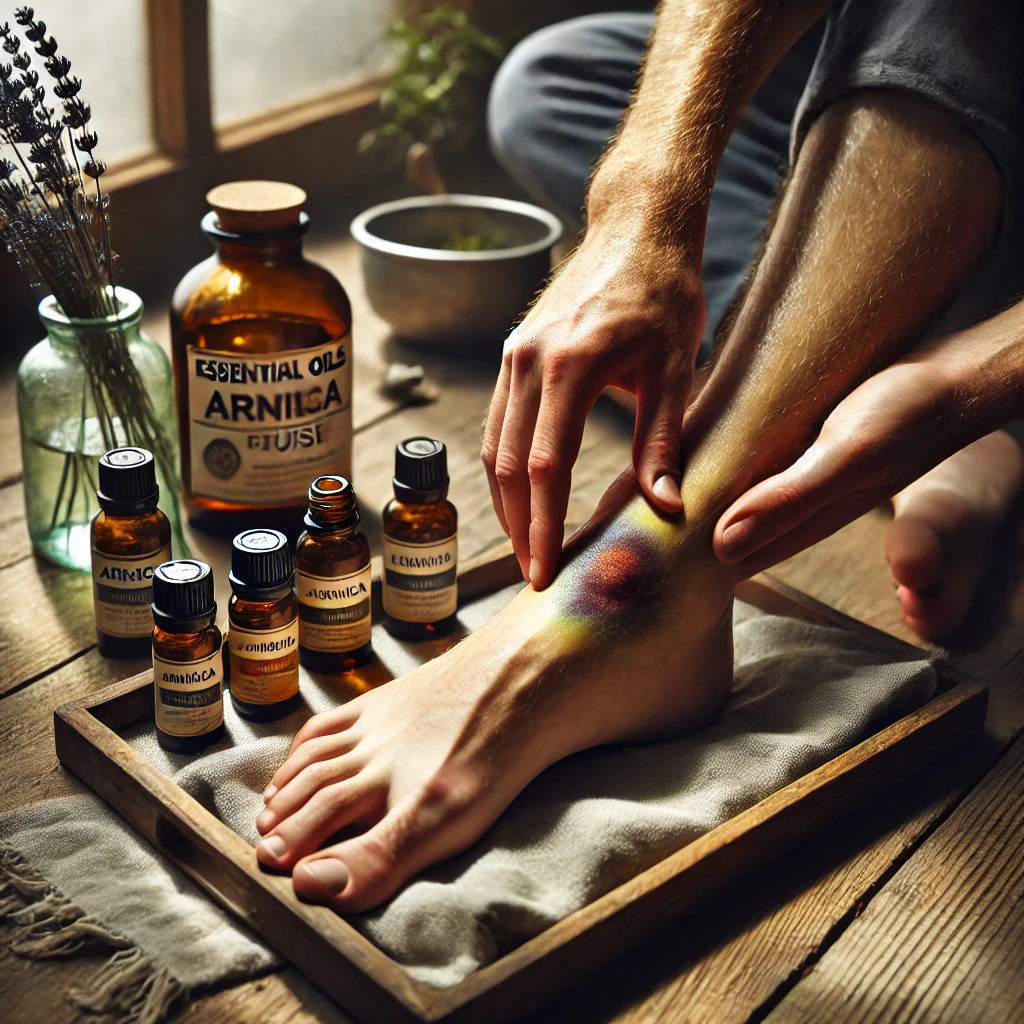
What Are Essential Oils?
An essential oil is a volatile aromatic compound distilled from a plant. Lavender oil comes from lavender flowers, peppermint oil comes from peppermint leaves, and tea tree oil comes from the tea tree plant. Because the oil is concentrated, a small amount carries a strong scent and effect. A single bottle can hold the aromatic material of dozens of plants, which is why oils are sold in small bottles and used a few drops at a time.
The term essential refers to the essence of the plant, not to a nutritional need. Each oil is a mix of many natural chemicals, and that mix gives every oil its own scent, color, and traditional use. Pure essential oils are not the same as fragrance oils, which are synthetic and made in a lab. When you read a label, look for the plant species and the words pure or therapeutic grade to know you are getting a genuine extract.
Most essential oils are produced by steam distillation, while citrus oils are usually cold pressed from the peel. To explore extraction further, see our guide on how to make essential oils at home.
Common Types of Essential Oils
Each oil has a distinct scent profile and traditional use. The table below lists popular oils and what they are known for.
| Essential Oil | Scent | Common Use |
|---|---|---|
| Lavender | Floral, soft | Relaxation and sleep |
| Peppermint | Cool, minty | Focus and congestion |
| Tea Tree | Sharp, medicinal | Skin and cleaning |
| Eucalyptus | Fresh, woody | Breathing support |
| Lemon | Bright, citrus | Cleaning and mood |
| Frankincense | Warm, resinous | Meditation and skin |
These six oils form a practical starter set. Lavender suits evenings and sleep, peppermint suits mornings and focus, and lemon brightens any room. Tea tree and eucalyptus lean toward cleaning and breathing, while frankincense adds a grounding base note to blends. With these on hand you can cover most everyday aromatherapy needs before expanding your collection.
What Is the Strongest Essential Oil?
Strength can mean scent intensity or chemical potency. Oregano, clove, cinnamon bark, and thyme are among the most potent, with high levels of active compounds. These oils are powerful, so they need heavy dilution and careful use. For scent strength alone, peppermint and eucalyptus are sharp and far reaching, while patchouli and vetiver are deep and long lasting.
| Oil | Why It Is Strong | Care Needed |
|---|---|---|
| Oregano | High carvacrol content | Dilute heavily, avoid skin neat |
| Clove | Rich in eugenol | Can irritate skin and gums |
| Cinnamon Bark | Hot, potent aroma | Strong skin sensitizer |
| Peppermint | Intense menthol scent | Keep away from young children |
Because potent oils carry more active chemistry, they reward respect rather than enthusiasm. A single drop is usually enough, and pairing a strong oil with a softer one such as lavender keeps a blend balanced. When in doubt, start low and build up slowly over several uses.
How to Use Essential Oils
There are three main ways to use essential oils: inhalation, topical application, and household use. Each method suits a different goal, and most beginners start with a diffuser because it is simple and low risk.
- Aromatic: add a few drops to a diffuser or inhale from the bottle to enjoy the scent.
- Topical: mix with a carrier oil and apply to the skin for massage or targeted use.
- Household: add to cleaning sprays, laundry, or homemade candles for natural fragrance.
For diffusing, you can learn the right amount in our guide to using essential oils in a diffuser or humidifier. For topical use, dilution matters most, and our essential oil drops and dilution guide shows the correct ratios so you avoid skin irritation.
Using Essential Oils Safely
Essential oils are natural but still powerful. Never apply most oils directly to the skin without diluting them first, keep oils away from eyes, and store them out of reach of children and pets. Some oils are unsafe during pregnancy or around cats, so a quick check before use prevents problems.
A simple patch test protects sensitive skin. Apply one diluted drop to the inner forearm and wait a day to see if any redness appears. If a reaction occurs, wash the area with a carrier oil rather than water, since oils do not rinse away cleanly. For a full breakdown of pets, skin, and storage, read our essential oil safety guide. You can also review evidence based aromatherapy information from the National Center for Complementary and Integrative Health.
Frequently Asked Questions
Are essential oils safe to breathe every day? Light diffusing in a ventilated room is fine for most people, but take breaks and use fewer drops if you feel any irritation.
Can you put essential oils directly on skin? Most oils should be diluted with a carrier oil first. Only a few, such as lavender, are sometimes used neat in tiny amounts.
How long do essential oils last? Most last one to three years when stored in a cool, dark place. Citrus oils fade faster than woody or resinous oils.
Final Thoughts
Essential oils open the door to natural fragrance, simple aromatherapy, and chemical free cleaning when you understand the basics. Start with a few versatile oils, dilute properly, and build your collection as you learn what you enjoy. For more natural wellness guides, visit the Care Kees homepage.